Procuring Factory Grade Suspension Components
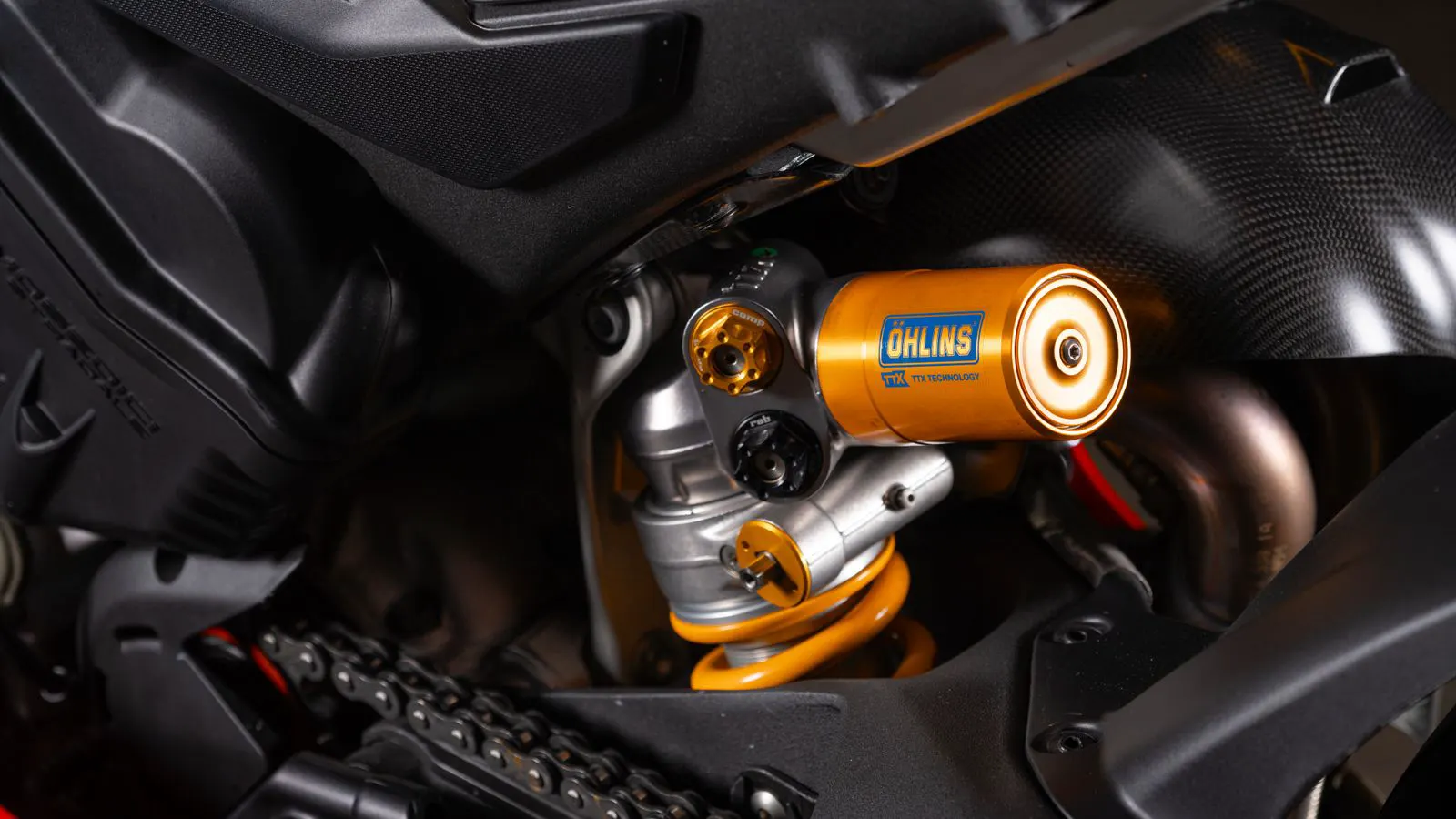
Sourcing factory grade suspension components requires verifying part numbers, material specifications, and manufacturing processes. This guide explains how to evaluate original equipment parts and compare them with replacement options for reliability and fitment in commercial and personal fleets.
- Verify part numbers and technical specifications before ordering suspension components.
- Inspect materials, coatings, and fasteners for signs of wear or degradation.
- Cross-check fitment data with chassis dimensions and mounting point tolerances.
- Review supplier documentation and warranty terms to mitigate risk.
- Test installed components under load before returning them to full service.
Why Suspension Components Demand Special Attention
Suspension parts operate under continuous cyclic loading. Control arms, bushings, ball joints, and coil springs experience force vectors that change with road irregularities, vehicle payload, and speed. A single failed ball joint does not merely create a clunk over a bump. It can cause a sudden loss of directional control at speed, leading to a rollover or a collision. For fleet operators and maintenance managers, the financial impact of a failed suspension component extends far beyond the cost of the replacement part. Downtime, towing fees, and the potential for safety incidents create a much larger financial impact than the initial purchase price.
When sourcing original equipment parts, the goal is to replicate the exact performance characteristics of the component that left the assembly line. This requires matching not just the external geometry, but the material grade, surface treatment, and dimensional tolerances. The difference between a factory part and a generic alternative often lies in these hidden specifications, which determine how the part behaves over thousands of operating hours. A control arm that looks identical in shape but uses a different steel alloy may crack after two years of service, while the factory part may last five.
How to Verify a Genuine Part
The first step in sourcing is confirming identity. Original equipment parts are identified by manufacturer part numbers. These numbers are specific to the vehicle model, year, and region. A part number for a standard passenger vehicle may differ from one for a high-performance or heavy-duty variant. Always match the part number to the vehicle service manual or the data plate on the chassis. Do not rely on the part number painted on the box alone, as packaging can be reused or mislabeled.
Check the physical part for markings. Genuine components usually carry stamped or laser-etched part numbers and batch codes. These codes can sometimes be traced back to the production date and the specific factory shift. If a part lacks these markings, or if the font style looks different from other parts on the vehicle, treat it as a suspect item. In some cases, counterfeit parts use correct part numbers but substitute inferior materials. For example, a forged steel control arm might be replaced with a cast steel version that has the same part number stamped on it but a significantly lower fatigue life.
Evaluating Materials and Surface Treatments
Material selection dictates the lifespan of a suspension component. Control arms are often made from high-tensile steel or forged aluminum. The difference in strength and fatigue resistance is significant. Forged steel parts have a grain structure that resists cracking under cyclic loading. Cast parts, while cheaper to produce, are more prone to internal defects such as porosity or inclusions. If a supplier offers a cast version of a part that was originally forged, ask for the heat treatment documentation to confirm it meets the required yield strength.
Surface treatments also matter. Many suspension parts feature protective coatings such as zinc plating, powder coating, or black oxide. These coatings prevent rust and corrosion, which are common in wet or saline environments. When inspecting a part, check the edges and inside of holes. Coating is often stripped away during machining. If the bare metal shows signs of rust or pitting, the part may have been stored improperly or is not new. A fresh cut surface should be shiny and free of oxidation.
Comparing Fitment and Tolerances
Fitment is not just about whether a part bolts on. It is about how the part interacts with the surrounding chassis. Suspension components have specific tolerances for length, angle, and mounting hole position. A deviation of even a few millimeters can change the steering geometry or alignment. If a control arm is two millimeters longer than specified, the vehicle may experience a steering pull or uneven tire wear on the inside edge.
When evaluating factory specifications, consult the technical drawing if available. Look for critical dimensions marked with tolerance ranges. For example, a control arm length might be specified as 450 mm +/- 0.5 mm. If a replacement part does not meet this tolerance, it may install but will not perform correctly. This can lead to uneven tire wear or steering pull. Use a digital caliper to verify these dimensions before accepting the part. Do not assume that a part that fits loosely is acceptable. Suspension components require a tight, precise fit to maintain alignment and prevent play.
The Role of Documentation and Warranties
Documentation provides a paper trail that protects the buyer. Request the certificate of conformity or material test reports from the supplier. These documents confirm that the raw materials meet industry standards. For high-value or safety-critical components, this documentation is non-negotiable. If a supplier cannot provide a mill certificate for the steel used in a control arm, treat that as a red flag. The document should list the chemical composition and mechanical properties of the material.
Warranty terms vary significantly between suppliers. A short warranty period may indicate a lack of confidence in the product’s reliability. A longer warranty often includes requirements for proper installation and maintenance. Read the fine print. Some warranties are void if the part is installed by an unqualified technician or if the vehicle is used outside its intended duty cycle. Clarify these terms in writing before placing an order.
Practical Checks for Incoming Inventory
When parts arrive at the warehouse or workshop, do a spot check on every batch. Use a caliper to measure critical dimensions against the specification sheet. Check the weight. A part made from the wrong material will have a different mass than the original. Even if the dimensions are correct, a lighter part suggests a hollow core or thinner walls. This is a common trick used by counterfeiters to reduce material costs while maintaining the external appearance.
Inspect the fasteners. Original equipment often uses specific grades of bolts, nuts, and washers. These are designed to handle specific torque values and shear forces. Mixing in standard hardware can lead to loosening over time. Ensure that the fasteners supplied with the part are complete and match the required grade. Check for rust on the fasteners. If they are corroded, they may not hold the required torque value and could snap under load.
Common Pitfalls in Sourcing
One common mistake is buying based on price alone. A cheap part might save money upfront but cause expensive repairs later due to premature failure. Another pitfall is assuming that a part with the correct shape is the correct part. Many suspension components have similar shapes but different internal structures or material grades. For example, a bushing that looks identical in outer diameter may have a different internal durometer rating, leading to different ride height and handling characteristics.
Counterfeiting is a growing concern. Be wary of suppliers who cannot provide a direct line to the manufacturer. If the price is significantly below market rate, ask why. The savings may come from cutting corners on quality control or using recycled materials. Always verify the supplier’s credentials and request references from other fleet operators or maintenance shops.
Decision Checklist for Suspension Procurement
Before placing an order or approving an incoming shipment, run through the following checklist:
- The part number matches the vehicle service manual exactly.
- Physical markings and batch codes are present and legible.
- Material specifications are documented and verified.
- Surface coating is intact with no signs of corrosion.
- Critical dimensions are measured and fall within tolerance.
- Warranty terms are clear and accepted by the organization.
- Fasteners are included and meet the required grade.
Factory vs Replacement Parts: A Practical View
Factory components are designed to work in harmony with the rest of the vehicle. They are tested in specific combinations of parts. When replacing a suspension component, the goal is to maintain that harmony. A part that is slightly off in size or material can throw off the entire system. For example, a ball joint with a different preload can cause premature wear on the tie rod ends and steering rack.
Aftermarket parts can be high quality, but they require the same level of scrutiny. The key is not to judge a part by its origin, but by its specifications. A high-quality aftermarket part that meets all factory tolerances and material standards is a viable option. A low-quality factory part that has been stored poorly is not. The evaluation process is the same for both. Focus on the data, not the brand name.
Managing Long-Term Reliability
Reliability is a long-term metric. It is not determined by the first few hundred miles. It is determined by how the part performs after two years of daily use. Track failure rates. If a specific batch of parts fails early, isolate it. This data helps refine future sourcing decisions. Keep a log of part numbers, suppliers, and installation dates. This information is invaluable when troubleshooting issues or negotiating with suppliers. It also provides a clear history for any warranty claims.
Final Thoughts on Sourcing Strategy
Sourcing suspension components is a technical exercise, not just a purchasing one. The buyer must understand what the part does and how it fails. By focusing on specifications, materials, and documentation, you reduce the risk of failure and ensure that the vehicle remains safe and operational.
The goal is consistency. Every part installed should perform to the same standard. This consistency builds trust in the maintenance process and extends the life of the vehicle.
Frequently asked questions
How do I know if a suspension part is genuine?
Check the part number against the service manual and inspect for manufacturer markings. Verify the material and dimensions with a caliper if possible.
Can I mix and match factory and aftermarket suspension parts?
Yes, if the aftermarket part meets the exact specifications of the factory part. Ensure that materials, tolerances, and surface treatments are compatible.
What is the most common failure point in suspension components?
Bushings and ball joints are common failure points due to constant flexing and exposure to contaminants. Regular inspection helps catch these issues early.
Do I need a technical drawing to verify a suspension part?
A technical drawing is highly recommended. It provides the exact dimensions and tolerances needed to verify fitment and quality.
How long should I keep records of suspension parts?
Keep records for the entire life of the vehicle or as required by your compliance standards. This helps track failure patterns and warranty claims.