Explainer: How Parts Pricing Is Built in Auto Manufacturing

Parts pricing combines material costs, labor, overhead, and logistics. Suppliers build these layers into their quotes. Understanding this structure helps buyers evaluate offers, manage supply risk, and negotiate more effectively.
- Supplier quotes stack material, labor, overhead, and logistics costs.
- Pricing models shift risk between the supplier and the buyer.
- Logistics and volume directly affect the final purchase price.
- Clear contract terms reduce pricing disputes and supply disruptions.
What Is Parts Pricing in Auto Manufacturing
Parts pricing is the process of calculating and quoting the cost of a component from raw material to final delivery. It is not a single number. It is a structure made of many layers.
For a buyer, the quote often looks like one line item. Behind that line item, the supplier has calculated the cost of the steel or aluminum, the energy used in the press, the time of the operator, the rent for the factory, and the truck that carries the part to the plant.
This structure matters because a low quote can hide high risk. A high quote can reflect a supplier protecting its margins against volatile material markets. Engineers and buyers need to see the layers to make sound sourcing decisions.
How Supplier Pricing Is Built
Supplier pricing starts with the bill of materials. The supplier lists every input needed to make the part. This includes the primary material, secondary materials like coatings or fasteners, and consumables like cutting oil or polishing compound.
Material costs often form the largest block. Steel, aluminum, and plastics fluctuate based on global markets and regional supply. A supplier may lock in material prices for a set period, or it may pass through increases directly to the buyer. The contract terms define this relationship.
Labor costs cover the people who run the machines and perform inspections. In high-volume auto parts, labor per part can be small. In low-volume or complex parts, labor can dominate the cost. The supplier estimates this based on the number of operations and the skill level required.
Overhead is the next layer. It includes factory rent, utilities, maintenance, insurance, and management salaries. The supplier spreads this cost across all parts it produces. If the supplier adds a new part to a full factory, the overhead cost per part may be low. If it starts a new product line on a small scale, the overhead cost per part rises.
The supplier then adds a margin. This is the profit it expects to earn. Margins vary by industry, part complexity, and market conditions. A commodity fastener may carry a thin margin. A precision sensor housing may carry a wider margin.
Common Pricing Models
Pricing models define how the final number is calculated. The choice of model changes who bears the cost risk.
| Pricing Model | How It Works | Buyer Risk | Supplier Risk |
|---|---|---|---|
| Cost-Plus | Supplier lists costs plus a fixed percentage. | Low if costs are stable. High if supplier costs rise. | Low. Supplier is protected from material spikes. |
| Fixed Price | Supplier agrees to a flat price. | Low. The price stays the same. | High. Supplier absorbs material or labor increases. |
| Target Price | Buyer sets a price. Supplier must find a way to meet it. | Low. The price is set. | High. Supplier must improve efficiency or design. |
| Open Book | Supplier shares detailed costs. | Medium. Transparency allows negotiation. | Medium. Supplier must justify every cost line. |
Fixed price is common for long-term contracts where both parties want stability. The buyer gets price certainty. The supplier must manage its internal costs carefully. If material prices jump, the supplier keeps the margin down to protect the price.
Cost-plus is common when inputs are volatile. The supplier shares the risk with the buyer. If steel prices rise, the part price rises. The buyer pays more, but the supplier is not forced into a loss.
Target price is a negotiation tool. The buyer states the maximum price it will pay. The supplier must respond with a design or process change that reduces the cost. This often leads to Value Engineering, where the part is redesigned to use less material or fewer steps.
How Logistics Affects the Final Cost
Logistics is not just a delivery fee. It shapes the pricing model. A supplier near the buyer’s plant can use smaller trucks and drop shipments. A supplier far away must use containers and consolidate shipments to save on freight.
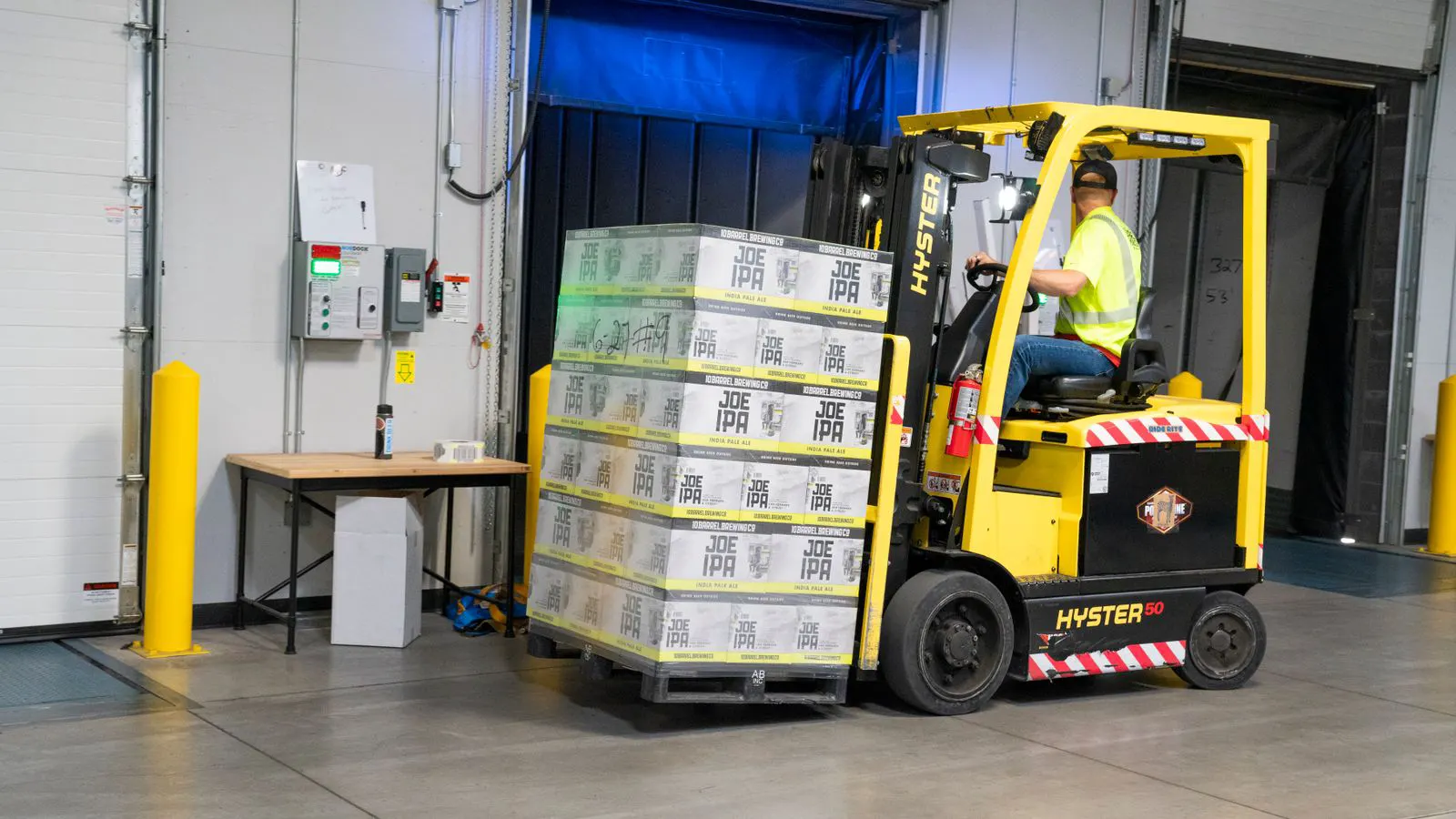
Freight costs depend on distance, mode of transport, and part size. A light, small part can ship in a standard parcel. A heavy, large bracket requires a pallet or a dedicated truck. The supplier calculates the per-unit cost of freight and adds it to the part price.
Incoterms define who pays for what. The supplier may quote an EXW price, meaning the buyer arranges and pays for pickup. The buyer may ask for a DDP price, meaning the supplier delivers to the buyer’s door and handles customs. The difference between these terms can be significant.
Inventory strategy also impacts pricing. If the buyer requires a large buffer stock, the supplier must hold that inventory. That ties up capital and space. The supplier may add a holding cost to the price. If the buyer accepts small, frequent deliveries, the supplier can run a leaner operation and may offer a lower unit price.
How Volume and Complexity Change the Price
Volume is a major driver of parts pricing strategy. High-volume parts benefit from economies of scale. The same press can run for hours, and the setup costs are spread over many units. The labor cost per part drops.
Low-volume parts face a different reality. The supplier may need to set up a small job run. The setup takes time and labor. That setup cost is spread over a small number of parts, raising the unit price.
Complexity adds to the cost. A simple stamped bracket is cheap to make. A machined aluminum housing with tight tolerances is expensive. Each additional feature, finish, or inspection step adds to the cost.
Design for Manufacturability affects the price. A part with sharp internal corners is harder to machine. It wears out tools faster. A part with rounded corners is easier to produce. The supplier often points this out during the quote review.
How to Read a Supplier Quote
When a supplier sends a quote, look beyond the bottom line. Ask for a cost breakdown. A professional supplier will provide a simple structure showing material, labor, overhead, and logistics.
Check the validity period. If the quote is valid for only thirty days, the supplier is protecting itself from price changes. If it is valid for a year, the supplier is confident in its costs.
Look at the terms. Does the quote include taxes? Does it include freight? Are there penalties for late delivery? These terms change the real cost.
Compare quotes by structure, not just price. Two suppliers may quote the same price. One may have a low material cost and a high freight cost. The other may have the reverse. The risk profile is different.
Worked Example: Sourcing a Brake Pad
Imagine a buyer sourcing a standard brake pad. The supplier quotes a unit price. The quote is built from four main parts.
First, the material. The brake pad uses a mix of friction material and a steel backplate. The supplier buys the friction compound from a specialty vendor. The steel is sourced from a regional mill. These two inputs make up the bulk of the base cost.
Second, the labor and energy. The pad is molded and cured. This takes time. The supplier calculates the number of hours needed on the molding line and the energy cost to heat the ovens.
Third, the overhead. The supplier adds a percentage to cover its factory rent and management. This is a fixed amount per unit.
Fourth, the logistics. The brake pads are heavy. The supplier uses a palletized truck to deliver them to the assembly plant. The freight cost is spread across the units in the shipment.
The buyer reviews the quote. It asks for a cost breakdown. The supplier provides a simple table. The buyer sees that the material is fifty percent of the cost. The buyer then checks the market price of the friction compound. It is stable. The buyer agrees to a fixed price for one year.
The supplier agrees. It knows it can manage its internal costs. The buyer gets a stable price. Both parties have a clear understanding of the parts pricing strategy.
Final Checks Before Contracting
Before signing a contract, review the pricing structure one last time. Make sure the quote includes all necessary items. Confirm the logistics terms. Check the payment schedule.
Ask about price adjustment clauses. If material prices change, how is the price updated? Is there a cap on increases? These clauses protect both sides.
Ensure the contract defines what happens if the supplier needs to change the material source. A change in material can affect performance. The buyer should require approval before any change.
Clear terms reduce disputes. When the pricing model is understood, the relationship between the buyer and the supplier becomes more predictable.
How to Improve Your Sourcing Strategy
Review your supplier quotes regularly. If a quote has not changed in three years, ask why. If it has changed rapidly, ask what drove the increase.
Engage in early design reviews. Working with the supplier before the part is finalized can reduce costs. A small change in the part design can save money in production.
Build long-term relationships. A supplier who understands your needs will offer better pricing and more flexible terms.
Use data. Track actual costs against quoted costs. This helps you identify trends and improve future negotiations.
Conclusion
Parts pricing in auto manufacturing is a multi-layered structure. It combines material, labor, overhead, and logistics. The pricing model determines who bears the risk.
For engineers and buyers, understanding this structure is the first step to better sourcing decisions. It allows you to evaluate offers, manage supply risk, and negotiate effectively.
Focus on the terms, not just the price. A clear contract with a transparent pricing model protects both parties. It creates a stable foundation for long-term supply relationships.
Frequently asked questions
What is the difference between a fixed price and a cost-plus quote?
A fixed price is a flat amount that stays the same. A cost-plus quote adds a margin to the supplier's actual costs. The fixed price puts risk on the supplier. The cost-plus puts risk on the buyer.
How does freight affect the final part price?
Freight is added to the part cost. Long distances or heavy parts increase the freight cost. This is spread across the units in the shipment.
Can I ask a supplier for a cost breakdown?
Yes. Professional suppliers provide a simple breakdown of material, labor, overhead, and logistics. This helps you evaluate the quote accurately.
What is Value Engineering?
Value Engineering is a process where the part is redesigned to reduce cost. It may involve using less material or simplifying the manufacturing process.
How do Incoterms affect pricing?
Incoterms define who pays for shipping and insurance. Different terms change the final price. Always check the terms in the quote.