Cost Lead Time: Sourcing Certified Brake Rotors

Certified brake rotor sourcing cost rises with audit requirements, material grade, and traceability. Lead time extends when factories must clear quality gates. You control both by standardizing specs, pre-qualifying suppliers, and building buffer into your automotive procurement budget.
- Certification adds audit and documentation work that increases unit price and extends delivery.
- Lead time is driven by material sourcing, heat treat capacity, and quality release approvals.
- A clear RFQ with full material and traceability requirements prevents costly rework.
- Compare quotes against total landed cost, not just the sticker price.
- Build buffer into your schedule when sourcing certified components from new suppliers.
Why certification changes the price
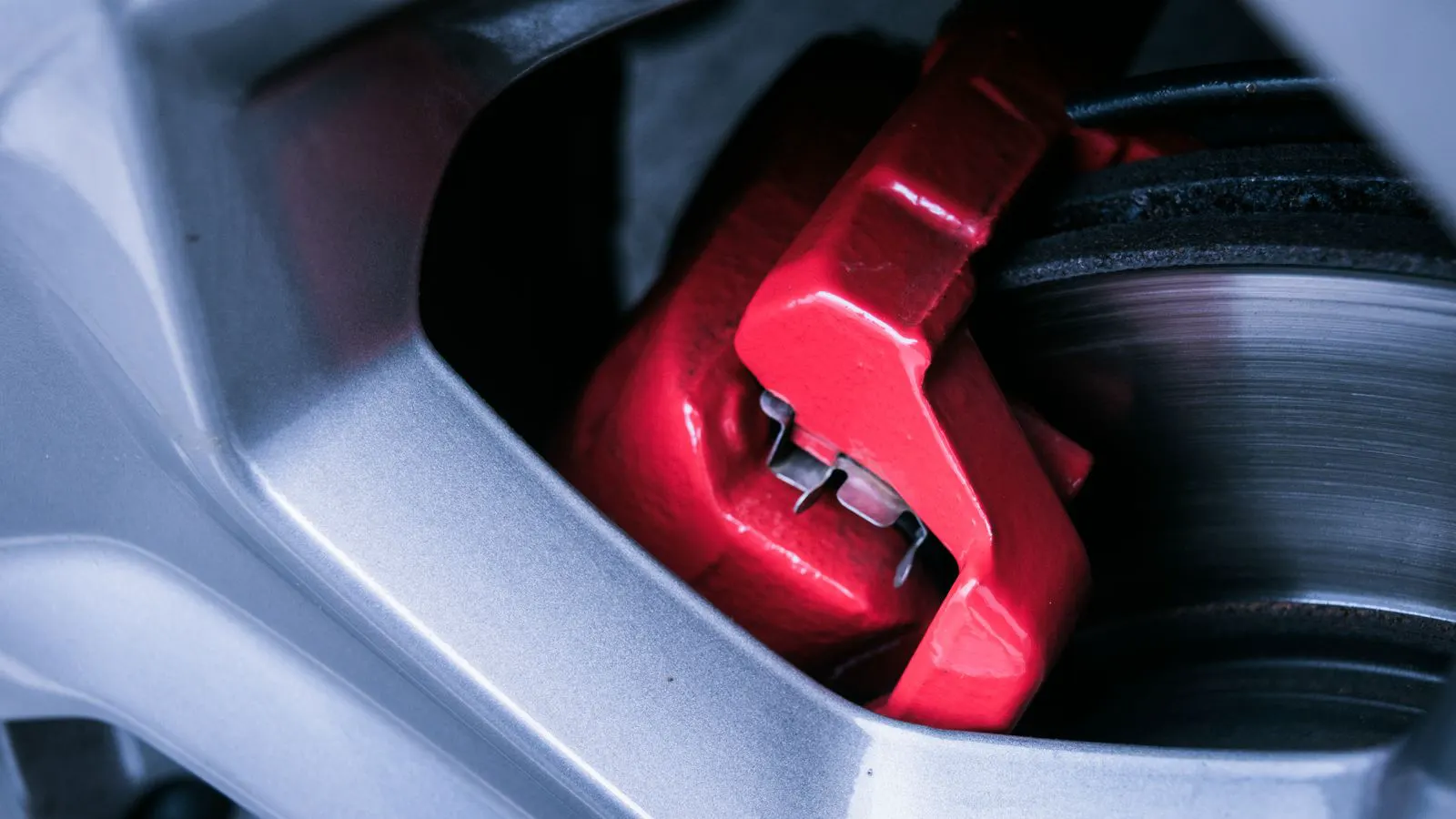
A brake rotor is not just a disc of cast iron. When you buy a certified unit, the supplier must document every step from raw material to final inspection. That documentation has a cost.
The supplier needs to maintain a quality system, train inspectors, and keep records for every lot. They also need to test hardness, balance, and dimensional tolerances. If your specification requires IATF 16949 or equivalent, the factory must keep auditable records. This means they keep the raw material mill certificates, the heat treatment logs, and the final dimensional reports separate from general shop floor noise. They cannot simply stamp a label on the box. They must prove that the metal was the metal they claimed it was, and that the final part held its shape after machining.
The price difference between a standard rotor and a certified rotor is not marketing. It reflects labor and process. The certified supplier spends more hours on paperwork and testing. They also carry higher liability exposure. If a rotor fails in the field, the buyer can trace the failure back to a specific heat number and a specific inspection record. The supplier must have those records available for audit at any time. That requires storage systems, personnel, and management attention.
This cost shows up in the unit price. It also shows up in the delivery schedule. A factory that cannot release a lot without a full quality review will ship later than one that does not require that review. The release process often involves a three-point check. The quality engineer reviews the data. The production manager confirms the machine settings. The final inspector signs off on the physical dimensions. Until all three sign, the pallet stays in the warehouse.
What drives brake rotor sourcing cost
The cost is a mix of material, labor, and compliance. Material cost depends on the iron grade and the size of the casting. A larger rotor uses more metal. A higher grade iron costs more per ton. For example, a rotor designed for a high-performance application might require a specific grade of gray iron with a higher graphite content. This allows for better wear characteristics and heat dissipation. The supplier must source this specific iron, which often costs more than the standard commercial grade.
Labor cost depends on the machining operations. A rotor needs boring, facing, and balancing. If your spec requires a specific surface finish or a balanced weight tolerance, the labor time increases. Boring the hub requires precision to ensure the axle fits correctly. Facing the friction surface requires a consistent depth to maintain the runout tolerance. Balancing requires removing material from the rim until the weight distribution meets the limit. Each operation adds a fixed cost per part. If you demand a tighter tolerance, the machine runs slower, or the inspector rejects more parts, the labor cost rises.
Compliance cost is the hidden driver. The supplier must keep records of the raw material heat number. They must store test reports. They may need to send samples to a third party lab. If the heat number does not match the test report, the lot is quarantined. The supplier cannot ship it. They must find the missing document or replace the material. This creates a buffer in the cost structure. The supplier prices in the risk of a failed audit or a rejected lot.
The table below lists the main drivers.
| Cost Driver | Impact on Price | Impact on Lead Time |
|---|---|---|
| Material Grade | Higher grade iron increases the base cost. | Sourcing specific iron can take longer. |
| Certification Level | Audits and records raise the unit price. | Quality release adds approval steps. |
| Batch Size | Larger orders lower the cost per piece. | Small batches may be scheduled later. |
| Supplier Location | Distance adds freight and duty. | Shipping distance adds transit days. |
| Inspection Scope | More tests mean more labor. | Testing extends the release window. |
How lead time is built up
Lead time is not just manufacturing time. It is a chain of activities. The supplier must source the iron. They must cast the blanks. The blanks must cool and cure. Then they move to machining.
Casting a rotor is not instantaneous. The mold must be prepared. The molten iron must be poured. The blank must cool slowly to avoid cracking. This process takes time and space. If the supplier is running full capacity, the new order waits for the current production run to finish. If the iron is not in stock, the supplier must order it from the mill. Mill orders often have their own lead times, sometimes weeks longer than the actual casting time.
After machining, the rotors go to inspection. Each lot needs a certificate of conformance. The supplier must verify the heat number against the material test report. If anything is missing, the lot stops. This verification step is where delays often hide. A single missing signature or a mismatched heat number can hold a pallet of 50 rotors for a week while the paperwork is chased.
For a new supplier, lead time is longer. They must pass your quality audit. They must produce a sample lot. They must clear your approval process. This pre-production phase can take months. You are not just buying the part; you are buying the process of qualifying the supplier.
For an established supplier, lead time is shorter. They have your approval on file. They have the tooling ready. They can pull the material and start the line immediately. They know your inspection criteria. They know how to format the documents. This efficiency reduces the overhead cost of each order.
You must plan for both scenarios. Your schedule should include time for the first article inspection. It should include time for the quality review. It should include time for customs clearance if the parts cross a border. If you are importing, the lead time is not complete until the part is in your receiving dock. The shipping time, the port congestion, and the customs processing all add to the calendar.
How to write a clear RFQ
A vague RFQ leads to a vague quote. The supplier guesses what you need. They send a price based on their standard part. Then you find out the spec does not match.
Your RFQ must state the material grade. State the heat number requirement. State the surface finish tolerance. State the balance tolerance.
You must state the certification you require. Do not just say “certified.” Say which standard applies. Say which documents you need. A certificate of conformance is different from a certificate of origin. The former proves the part met the specification. The latter proves where the part was made. If you need the heat number traceability, you must ask for the mill test report attached to the certificate of conformance.
Include the quantity. Include the delivery point. State the packaging requirement. If you need palletized loads, say so. If you need individual cartons, say so. Packaging affects the cost per unit. A palletized load is cheaper to ship than individual boxes. But if your warehouse cannot handle pallets, you need cartons. The cost difference is real.
A clear RFQ forces the supplier to price the actual work. It removes guesswork. It makes it easy to compare two quotes against the same set of rules. If you send the same RFQ to three suppliers, you can see exactly where the price differences come from. You can ask, “Why is your price higher?” and they must point to a specific line item.
How to compare quotes fairly
Do not compare the unit price alone. Compare the total cost of ownership.
Look at the freight. Look at the duty. Look at the packaging. Look at the payment terms. A supplier with a low unit price but a long payment term may cost you more in interest. If you have to pay net 60 days, you are tying up cash. If you have to pay net 15 days, you can pay early or use a line of credit.
Look at the lead time. A supplier with a 12 week lead time may be cheaper than one with a 4 week lead time. If your production line stops for two weeks, the cost of that stoppage is higher than the price difference. You are paying for availability.
Check the quality terms. Who pays for testing? Who pays for rework? What happens if a lot fails? If the supplier sends a lot that fails the balance tolerance, who pays for the rework? If the supplier does not specify this in the quote, assume the worst. They will ask you to pay, or they will send the part anyway and you will find out in the field.
Use a scorecard. Weight each factor. Give more weight to quality if you are in a safety critical application. Give more weight to cost if you are buying high volume standard parts. The scorecard helps you make a decision based on the data, not on the salesperson’s pitch.
Make sure every supplier answers the same questions. If one supplier quotes a net price and another quotes an FOB price, convert them to the same basis before comparing. You cannot compare a dollar figure to a shipping term. You need to know the cost to your door.
Managing the budget and the schedule
Certified parts cost more. They take longer. You must build that into your plan.
Set a budget line for quality documentation. Do not expect the supplier to absorb the cost of extra testing. If you add a requirement mid-project, price the change. If you ask for a new surface finish after the tooling is set, the cost goes up. You must pay for the change in labor and material.
Build buffer into the schedule. If the supplier quotes 6 weeks, plan for 8. The extra two weeks cover the unknown. They cover the shipping delay. They cover the quality review. They cover the time it takes to find a missing document.
Keep a list of pre-qualified suppliers. When you have a backup, you are not stuck with one bad quote. You can call for a second source. You can negotiate better terms. If your primary supplier misses a deadline, you can switch to the backup without stopping production.
Review the quotes every quarter. Material prices move. Freight rates move. A supplier who was cheap in the spring may be expensive in the winter. You need to stay current on the market. You need to know when to lock in a price and when to wait for a better rate.
Final check before you buy
Before you sign the PO, check the documents. Check the heat number. Check the test report. Check the certificate of conformance.
Make sure the part number on the document matches the part number on the PO. Make sure the quantity matches. Make sure the delivery date is in the contract. If the part number is wrong, the part is wrong. If the quantity is wrong, you will not have enough parts. If the delivery date is not in the contract, you have no recourse if they are late.
If the supplier cannot provide the document, do not accept the part. A certified rotor without the paper trail is just a rotor. It is not a certified part.
You are buying a process. You are buying a record. You are buying confidence that the part will work when the brake pedal is pressed.
Frequently asked questions
How much does certification add to the cost of a brake rotor?
The increase depends on the audit scope and the testing required. It is usually a small percentage of the total price, but it can be higher for low volume orders.
Can I get a shorter lead time by skipping the quality audit?
Skipping the audit may save time, but it removes the verification of the process. You take on the risk of a bad lot. This is not recommended for safety critical parts.
What is the biggest mistake buyers make with certified parts?
They buy the cheapest quote without checking the quality terms. They do not see the hidden costs of rework or delay until after the part arrives.
Do I need a third party lab for every lot?
It depends on your risk tolerance. Many buyers require a third party lab for the first lot and then audit the supplier in-house.
How do I handle a supplier who cannot meet the lead time?
Look for a pre-qualified backup. If you have no backup, negotiate a penalty for late delivery or split the order across two suppliers.