Cost and Lead Time: Sourcing High-Performance Brake Rotors
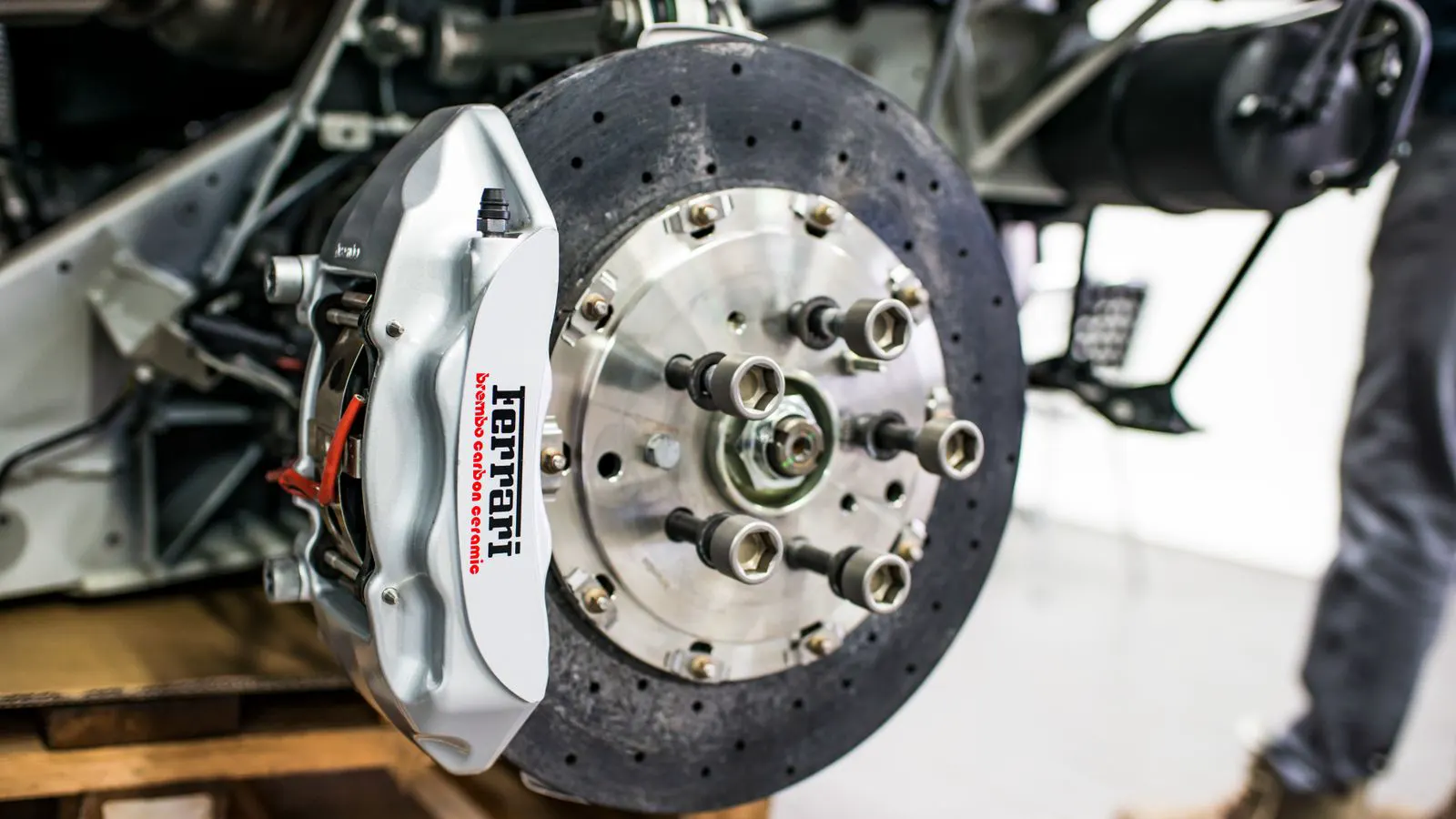
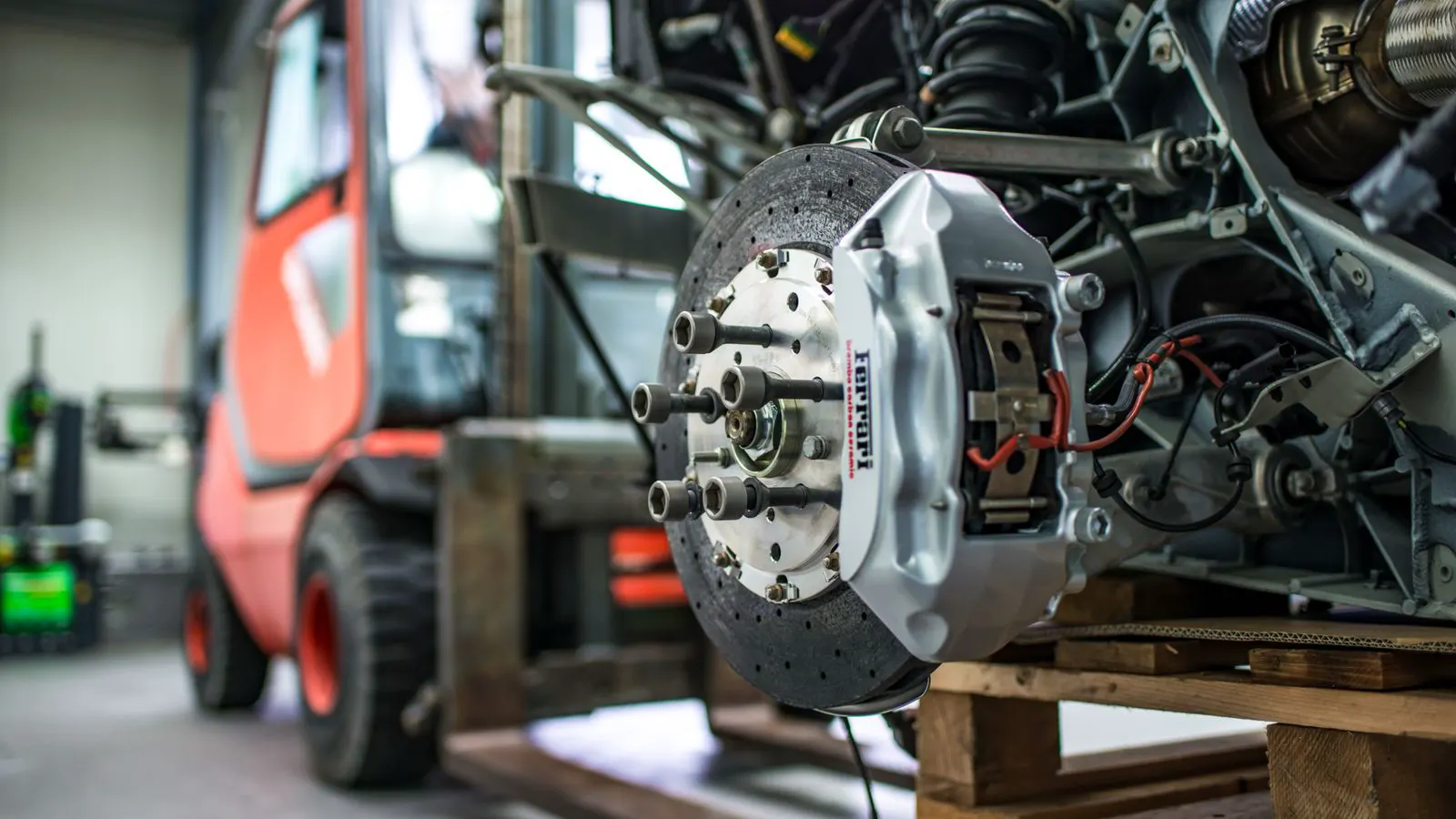
High-performance brake rotor sourcing depends on material grade, surface finish, and heat treatment. Delivery time varies with production capacity and shipping routes. Clear RFQs and standardized testing reduce cost variance and expedite procurement.
- Material choice and heat treatment drive the largest share of rotor price.
- Surface finish requirements increase machining time and add cost.
- Clear RFQs with test data reduce quote variance and shorten lead times.
- Shipping method and packaging determine final delivery date and landed cost.
- Comparing quotes on the same spec sheet prevents false savings on later rework.
What Drives the Base Price of a High-Performance Brake Rotor
The base price of a high-performance brake rotor starts with the raw material. Castings for performance applications often use higher alloy content than standard passenger car parts. The alloy mix affects heat resistance, dimensional stability, and resistance to warping under repeated thermal cycles. A rotor designed for track use or heavy-duty commercial service will require a different composition than one for daily highway driving.
Consider a rotor intended for a rally car versus one for a delivery van. The rally rotor faces rapid temperature spikes followed by sudden cooling. The delivery van rotor operates in a narrower band but sustains heat longer during heavy urban loads. The material supplier must adjust the iron and manganese levels to match these demands. A standard gray iron casting may crack under the thermal shock of a track environment. It will not hold its tolerance after the first hard stop.
The cost of the casting itself varies with the size of the ingot and the complexity of the mold. A larger diameter rotor requires more molten metal and a longer cooling time. If the supplier uses a single-purpose mold for a small batch of high-end rotors, the setup cost is high. If they run a large volume of standard parts, the per-unit casting cost drops.
Machining is the next major cost center. The rotor must be turned to exact tolerances, with a flat, uniform surface. High-performance rotors often require additional finishing operations, such as skimming or laser texturing, to control friction material contact. The more precise the surface finish, the slower the cutting cycle, and the higher the labor and machine wear cost.
Machining a high-performance rotor is not just about removing material. It is about controlling the friction surface. A standard rotor might allow a flatness tolerance of a few hundredths of an inch. A performance rotor may require a tolerance tight enough to prevent uneven pad wear. The cutting tool must remove material at a controlled feed rate. If the speed is too high, the tool deflection creates a wave pattern on the face. This wave pattern causes vibration and noise in the vehicle.
Laser texturing is a specific example of this trade-off. It creates a micro-pattern on the rotor surface to improve pad grip and reduce glazing. The laser head must pass over the surface multiple times to ensure uniformity. Each pass adds time. The machine must be calibrated for every new lot. If the pattern is too deep, it wears the pads faster. If it is too shallow, the pads lose their initial bite. The buyer must specify the exact texture pattern in the drawing to avoid ambiguity.
Heat treatment is where many buyers underestimate the price impact. Rotors that must resist cracking or glazing under sustained braking often undergo controlled thermal cycles. This process stabilizes the microstructure and reduces the risk of thermal distortion. It also adds time to the production schedule, which affects both price and availability.
Heat treatment is not a simple oven cycle. It involves heating the cast rotor to a specific temperature, holding it there to relieve internal stresses, and then cooling it at a controlled rate. The cooling rate is critical. If the rotor cools too quickly, the surface hardens while the core remains softer. This difference in hardness can cause the rotor to warp when it hits high temperatures.
Suppliers use various methods to control this. Some use salt baths to slow the cooling. Others use controlled air flow in the furnace. The energy cost for the furnace is a factor, but the labor cost is often higher. A technician must monitor the temperature curves and record the data. If the curve deviates, the batch may be rejected. The supplier bears the cost of the energy and the labor, even if the batch fails.
How Lead Time Changes With Production and Logistics
Rotor lead time is rarely just the time on the machine. It includes raw material procurement, casting, machining, heat treatment, inspection, and shipping. Each stage adds a fixed window. A supplier with full in-house capability moves faster than one that outsources casting to a third party.
A typical production cycle for a custom performance rotor might span six to eight weeks. The first week is often spent sourcing the specific alloy ingots. The next two weeks are for casting and cooling. The following week is for machining. Heat treatment can take several days depending on the furnace schedule. Inspection and packing add another week.
If the supplier outsources casting, the lead time increases. The supplier must ship the raw casting to the foundry, wait for the castings to return, and then process them. This adds two to three weeks. It also adds a risk point. If the foundry is backlogged, the entire schedule slips. The buyer loses control over the critical path.
Inventory levels matter. A supplier holding finished rotors in stock can ship within days. A made-to-order shop may take several weeks to clear the production queue. Peak seasons, such as pre-rally or pre-season fleet maintenance windows, increase demand for performance parts and can stretch delivery dates.
Many suppliers do not hold inventory for custom parts. They build to order. This means the production queue is the only inventory. If a buyer places an order in October for a delivery in November, they are competing with other buyers for furnace slots. A supplier with a backlog of fifty orders may promise a delivery date that is optimistic. They may not have the capacity to meet it.
Shipping method changes the final date. Air freight is faster but adds significant cost per kilogram. Ocean freight is slower and cheaper, but it requires longer planning windows. For international sourcing, customs clearance and documentation can add days that buyers often miss in their initial timeline.
A rotor weighs significantly. A single large performance rotor can weigh over ten kilograms. Shipping ten of them by air is expensive. Shipping them by sea saves money but takes a month or more. The buyer must decide if the savings justify the delay. If the parts are needed for a specific event in four weeks, air freight may be the only option. If the parts are for a fleet update in three months, sea freight is viable.
Customs clearance is a hidden delay. The documents must be correct. A missing material test certificate can hold the shipment at the border. The broker must resolve the issue, which takes days. The buyer must prepare the paperwork in advance and ensure the supplier provides the certificates before the shipment leaves the factory.
How to Write a Clear RFQ for Rotor Procurement
A vague RFQ produces vague quotes. If the request lists only part dimensions and a target price, suppliers will fill gaps with their own assumptions. Those assumptions become the basis of the quote. When the buyer later discovers the supplier used a lower alloy grade or skipped a surface treatment step, the price difference becomes a dispute.
The RFQ should list the exact part number or drawing reference. It must specify the material grade, surface finish tolerance, and required heat treatment process. Include the expected annual volume and the required delivery frequency. If the application involves high-heat cycling, state the temperature range and the number of cycles the rotor must survive.
A typical RFQ includes a drawing that shows the diameter, thickness, and hub dimensions. It must also specify the material. Instead of saying “high performance,” specify the ASTM A48 grade or the equivalent standard for the specific alloy. If the rotor is for a specific vehicle, provide the OEM part number. This allows the supplier to identify the correct material.
The surface finish tolerance must be defined. Specify the flatness in millimeters per diameter. Specify the roughness in micrometers. If laser texturing is required, provide a sample image or a reference part. Do not assume the supplier knows your preferred pattern.
Include the expected annual volume. If the buyer orders one hundred rotors a year, the price per unit will be higher than for a buyer ordering ten thousand. The supplier needs this number to determine the setup cost and the labor allocation. If the volume changes, the price may need to be renegotiated.
Request that suppliers include their production capacity and current backlog. Ask for a breakdown of the quote into material, machining, heat treatment, inspection, and shipping. This level of detail allows the buyer to compare items of equal value and identify where cost differences actually come from.
A breakdown of the quote reveals the real cost drivers. One supplier may charge less for material but more for labor. Another may have a high material cost but low labor because they are automated. The buyer can use this data to negotiate. If the machining cost is high, ask if a looser tolerance on the non-critical surfaces would reduce the price. If the heat treatment cost is high, ask if a different cooling method is acceptable.
How to Compare Quotes Without Being Misled
Comparing two quotes that do not match on specification is a common error. One supplier may include laser texturing, while another charges for it separately. One may use a lower-alloy casting, while another uses a higher-grade material. The lower quote may look better on paper but fail in testing or require early replacement in service.
Standardize the comparison. Use the same drawing, the same material grade, and the same finish tolerance for every bid. Ask each supplier to confirm the test method they will use for incoming inspection. If the quote does not state the test method, request it in writing before award.
Check the penalty and replacement terms. A supplier with a long lead time may offer a lower unit price but provide no penalty for late delivery. A supplier with a shorter lead time may charge more but guarantee a replacement unit if the part fails the specified test. Factor these terms into the total cost.
When comparing quotes, look at the total cost of ownership. A rotor that fails after five hundred cycles costs more than a rotor that lasts five thousand cycles. The replacement cost includes labor to remove the part and the potential damage to the pads or the caliper. The buyer should ask for the expected service life based on the specified material.
If the suppliers use different test methods, the results are not comparable. One supplier may use a standard hardness test. Another may use a thermal shock test. The hardness test measures the material strength. The thermal shock test measures the ability to survive temperature changes. For a high-performance application, the thermal shock test is more relevant. The buyer must require the specific test in the RFQ.
Cost and Lead Time Cost Drivers
The table below lists the main variables that affect price and delivery time. It is a reference for structuring the RFQ and for reviewing supplier responses.
| Cost Driver | Effect on Price | Effect on Lead Time |
|---|---|---|
| Material grade | Higher alloy content increases casting cost | Longer casting cure and inspection time |
| Surface finish tolerance | Tighter tolerance increases machining time | Additional skimming or laser texturing cycles |
| Heat treatment process | Controlled thermal cycles add labor and energy | Extended furnace and cooling time |
| Inspection method | Advanced testing adds equipment and labor | Additional quality hold points |
| Shipping method | Air freight raises freight cost | Shorter transit time |
| Packaging | Custom crates increase material cost | Additional packing and loading time |
How to Reduce Risk in High-Performance Rotor Sourcing
The risk in sourcing performance rotors is not just cost or delay. It is the risk of a part that fails in service. A rotor that cracks or warps does not just cost the part. It costs the vehicle, the driver, and the brand. It also stops the line or the fleet.
Mitigation starts with the specification. Do not rely on a generic part number. Write the thermal and mechanical requirements into the RFQ. Require the supplier to provide a material test certificate for each batch. Require a sample lot to pass a defined test before the full production run.
A sample lot test is a critical step. Before the supplier starts the full production run, they must produce a small batch of rotors. These rotors are sent to the buyer or an independent lab for testing. The test must simulate the expected operating conditions. If the rotors pass, the production run proceeds. If they fail, the specification is reviewed, and the process is adjusted.
Maintain two or three approved sources. This does not mean splitting orders evenly. It means having a secondary source that can cover the gap if the primary source faces a material shortage or a production failure. The secondary source should be qualified on the same specification, not just a lower-cost alternative.
Qualifying a secondary source takes time. It requires running the sample lot test and verifying the production process. The buyer should maintain a list of qualified sources and keep them updated. If the primary source has a problem, the buyer can switch to the secondary source without a long delay.
How to Manage the Procurement Timeline
The timeline for brake rotor procurement should be managed as a chain of dependencies, not a single date. The buyer must track the raw material order, the casting completion, the machining start, the heat treatment window, and the shipping slot. A delay in the raw material order shifts the entire chain.
Create a shared schedule with the supplier. Update it weekly. If the supplier reports a delay in heat treatment, the buyer needs to know before the shipping date passes. A delay of three days in the furnace can push the delivery date by two weeks if the next shipping slot is missed.
Use the lead time as a planning buffer, not a target. If the quote says four weeks, plan for six. The extra two weeks absorb the variability in customs, inspection, and internal receiving. This buffer does not increase the unit price, but it protects the operational plan.
The buyer should track the status of the shipment in real time. Use tracking numbers for international freight. Monitor the customs status. If the shipment is delayed, the buyer can contact the supplier to discuss alternatives. Maybe the supplier can ship a partial lot by air freight to meet the immediate need.
The procurement timeline is a dynamic process. It requires constant communication. The buyer must be proactive. They must ask for updates, even if the supplier has not reported a delay. A silent supplier is a risky supplier. The goal is to have full visibility into the production process so that any issue can be addressed before it becomes a critical failure.
Frequently asked questions
How long does a standard high-performance brake rotor take to produce?
Production time varies with material, finish, and heat treatment. A basic rotor may take two to three weeks, while a highly specified performance rotor may take four to six weeks.
What is the biggest cost factor in brake rotor procurement?
Material grade and heat treatment usually drive the largest share of the unit cost. Surface finish tolerance adds a significant secondary cost.
Can I reduce lead time by changing the shipping method?
Yes. Air freight reduces transit time but increases freight cost. Ocean freight is slower and cheaper, requiring a longer planning window.
What should I include in the RFQ to avoid quote variance?
Include the exact drawing, material grade, finish tolerance, heat treatment process, inspection method, and annual volume. Ask for a cost breakdown.
How do I compare quotes fairly?
Standardize the specification so every bid is based on the same requirements. Compare the unit price, lead time, and penalty terms together. Do not compare a quote with a missing test method to one that includes it. ===END===