Outlook: EV Brake Systems and Regenerative Braking Trends
EV adoption is changing automotive braking systems by reducing mechanical wear and increasing reliance on regenerative braking. Buyers must prepare for lower friction material volume, new thermal management needs, and stricter material certifications.
- Regenerative braking reduces the frequency of mechanical brake application, altering wear patterns and friction material demand.
- Brake thermal management systems require integration with vehicle cooling infrastructure.
- Sourcing strategies must account for smaller, higher-spec friction components rather than bulk volume.
- Material certifications and contamination controls are more critical as components serve longer service intervals.
- Buyers should track OEM design shifts toward lightweighting and reduced brake pad thickness.
How EV Adoption Changes Brake Wear Patterns
Regenerative braking shifts the load from friction components to the motor and battery system. When the vehicle decelerates, the electric motor acts as a generator, converting kinetic energy into electrical energy. The mechanical brake system acts as a backup, engaging only when regenerative torque is insufficient. This dual system changes how automotive braking systems perform over a vehicle lifetime.
Mechanical brake pads see fewer applications per mile. The friction surface experiences less frictional heat and less particulate generation. However, the brake components still face thermal spikes. When the driver applies the pedal hard, the conventional pad must absorb energy quickly. The pad must handle high heat without glazing or fading.
Buyers notice this shift in failure modes. Conventional brake pads often fail from heat buildup or contamination. EV brake pads may fail from material fatigue or uneven wear. The lower application frequency means the pad surface stays hotter for longer periods between stops. This affects the selection of binder compounds and filler materials.
What Shifts in Friction Material Demand
The volume of friction material sold to the mass market is changing. Electric vehicles use fewer brake pad applications per unit distance. This does not mean demand disappears. It means the demand moves to higher-spec components with longer service lives.
Friction material suppliers must reformulate compounds. They need materials that resist thermal degradation and maintain friction stability at lower temperatures. The pad must work effectively in both regenerative and mechanical braking scenarios. This requires a balance between low-temperature grip and high-temperature stability.
Sourcing buyers see a shift in product mix. Bulk commodity friction material sales may decline. High-performance, low-volume specialty compounds see increased interest. The average unit price per pad rises, but the total number of units per vehicle decreases.
Thermal Management and Brake Component Integration
Brake components in EVs often integrate with the vehicle cooling system. Many electric vehicles route cooling air or coolant to the brake calipers and discs. This active thermal management keeps the brake surface within a safe operating range.
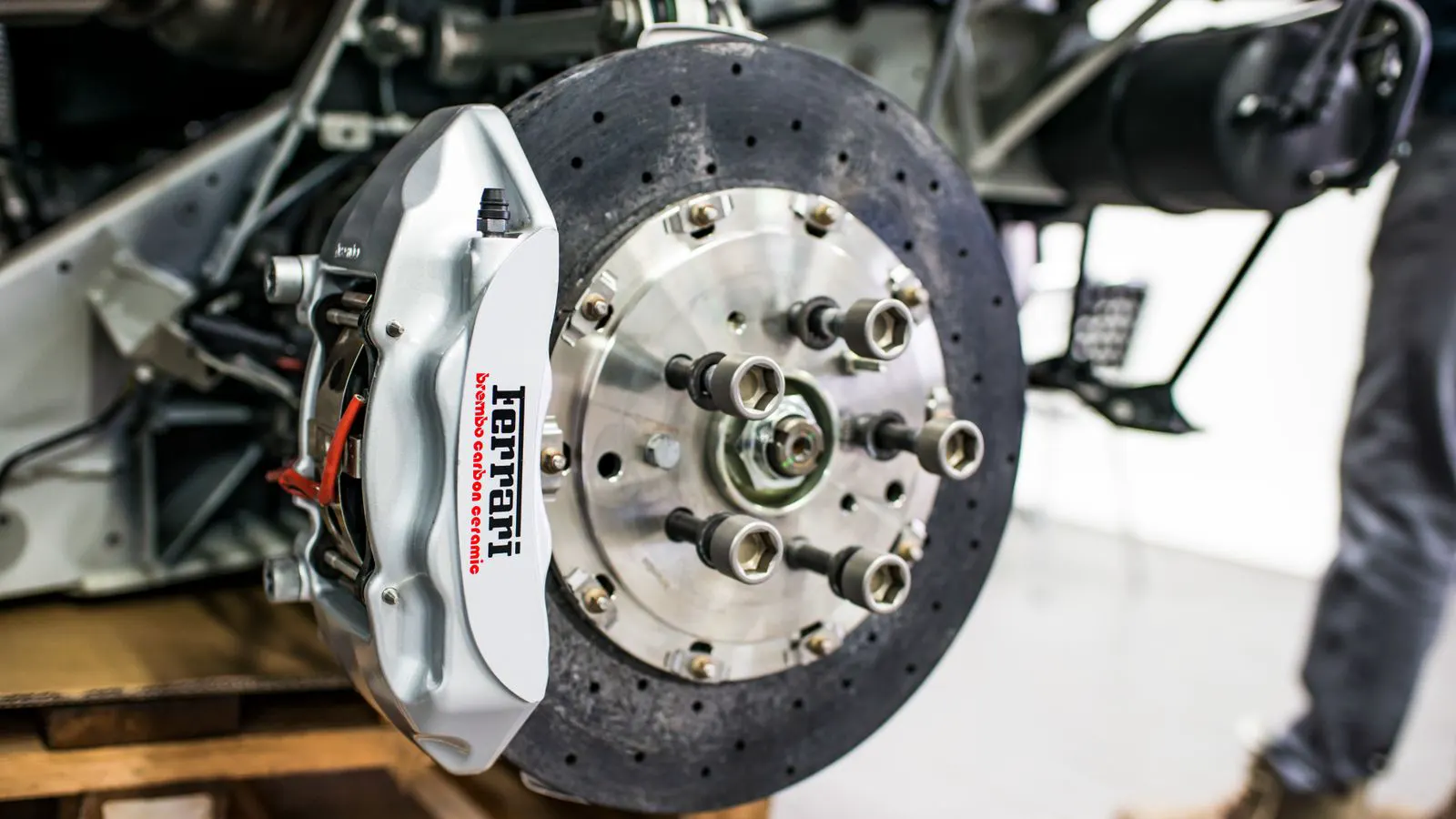
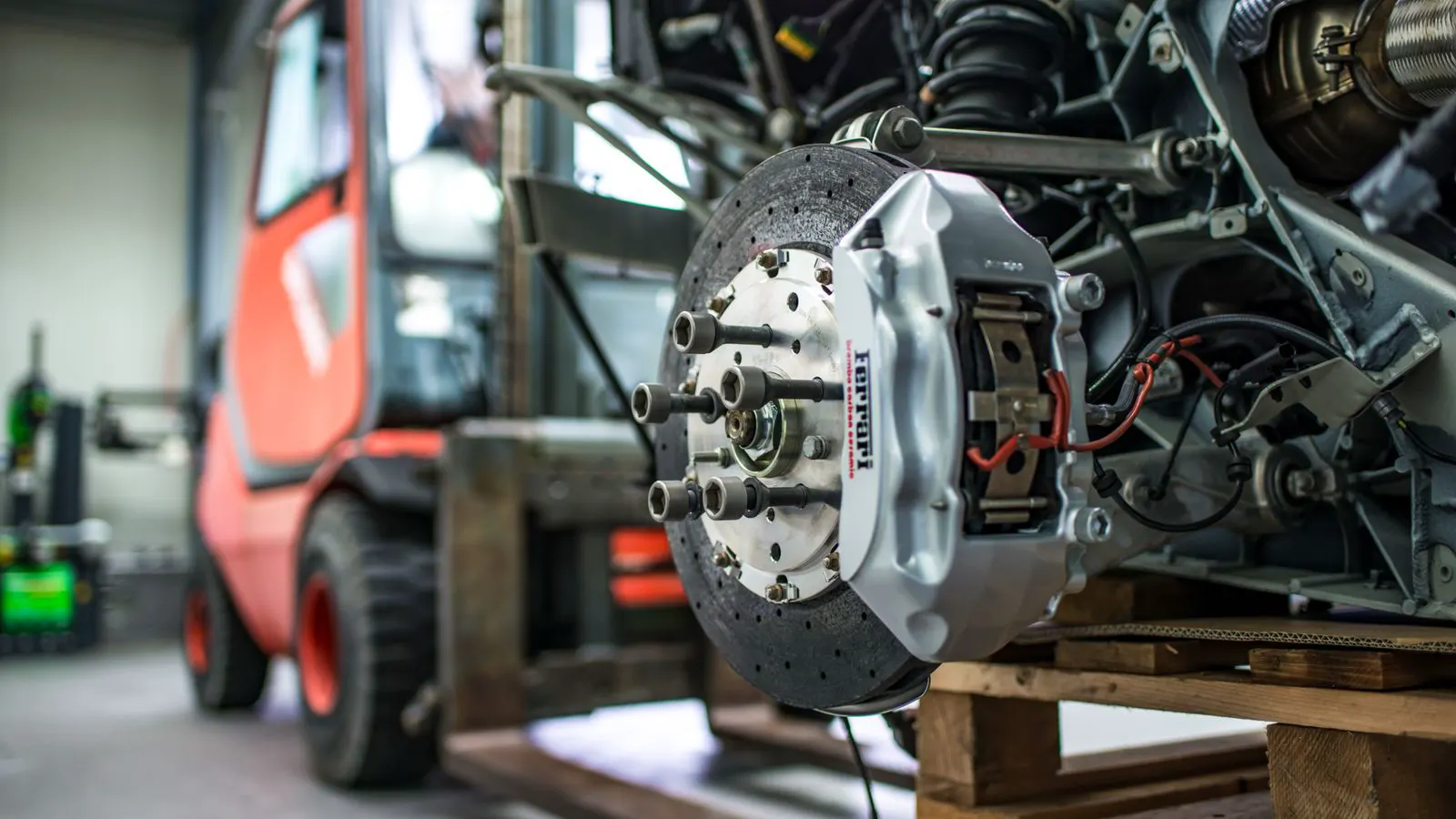
This integration changes the design of brake hardware. Calipers may include cooling ports or heat shields. Brake discs may feature specific venting patterns to channel airflow. The sourcing of these components requires coordination with the vehicle manufacturer’s cooling layout.
Buyers must verify that brake components match the vehicle’s cooling architecture. A brake disc designed for a conventional vehicle may not work with an active cooling system. The venting pattern, thickness, and material thickness affect heat dissipation. Incorrect matching leads to reduced cooling efficiency and potential thermal damage.
Material Certifications and Contamination Controls
Contamination is a bigger concern in EV brake systems. The brake components must work with regenerative braking, which can introduce moisture or particulates into the brake system. The brake pads must resist contamination while maintaining consistent friction.
Certifications for friction materials have tightened. Suppliers must prove that their compounds do not release harmful particulates under repeated thermal cycling. Buyers should request test reports that cover both high-temperature and low-temperature scenarios.
Import channels pose a risk. Brake pads sourced from unverified suppliers may contain inconsistent filler materials. This affects both performance and environmental compliance. Buyers should require material certificates and third-party testing for any new supplier.
Sourcing Strategy for Lower Volume, Higher Spec Components
The shift to EVs changes sourcing from volume-based to quality-based. Buyers cannot rely on bulk purchasing to drive down unit costs. Instead, they must negotiate based on quality, certification, and technical support.
Sourcing teams should build relationships with friction material specialists. These suppliers can provide technical support for formulation and testing. They can also provide early access to new compounds that meet EV requirements.
Buyers should track design changes early. OEMs often release new brake components months before full production. Early involvement allows sourcing teams to qualify suppliers and test components. This reduces the risk of delays during production ramp-up.
Planning for the Next Five Years
The transition to electric vehicles is not linear. Hybrid vehicles and plug-in hybrids act as a bridge. These vehicles still use conventional brake systems heavily. However, they also incorporate regenerative braking. This creates a mixed demand profile for brake components.
Buyers should prepare for a blended market. They need to source for conventional vehicles, hybrids, and pure EVs. The friction material requirements differ for each segment. Conventional vehicles need high-wear resistance. Hybrids need a balance of wear and thermal management. EVs need low-temperature performance and contamination resistance.
The sourcing strategy must be flexible. Buyers should avoid locking into single-source agreements for friction material. Multiple qualified suppliers provide resilience against supply chain disruptions.
How to Prepare Your Procurement Process
Procurement teams need to update their evaluation criteria. Technical specifications must include regenerative braking performance. Test protocols should simulate low-frequency, high-heat applications. This mimics the real-world use case for EV brake pads.
Documentation is critical. Buyers should require detailed material breakdowns and test results. These documents help verify that the components meet the required performance standards. They also support internal quality audits and customer compliance checks.
Training for procurement staff is essential. They need to understand the technical differences between conventional and EV brake systems. They must be able to ask the right technical questions when evaluating suppliers.
A Practical Outlook for Buyers
The shift to electric vehicles is changing how automotive braking systems are designed and sourced. Buyers must adapt their strategies to match these changes. Focus on quality, certification, and technical support rather than just price.
The next phase of sourcing will require closer collaboration with suppliers. Technical teams and procurement teams must work together. They need to align on performance requirements and risk management.
By preparing now, buyers can secure reliable supply and maintain quality standards. The transition is gradual, but the direction is clear. Brake systems in electric vehicles require different materials, different testing, and different sourcing approaches.
| Component | Conventional Vehicle Focus | Electric Vehicle Focus |
|---|---|---|
| Friction Material | High-wear resistance | Low-temperature stability and contamination resistance |
| Thermal Management | Passive cooling | Active cooling integration |
| Sourcing Strategy | Bulk volume purchasing | Quality and specification based |
| Testing Protocol | High-frequency wear | Low-frequency, high-heat cycles |
| Documentation | Standard certificates | Detailed material breakdowns and third-party testing |
- Review current supplier contracts for flexibility in volume and specifications.
- Request test reports from suppliers that cover regenerative braking scenarios.
- Evaluate the cooling architecture of target vehicles before sourcing brake components.
- Update internal quality standards to include contamination resistance.
- Build a pipeline of qualified suppliers who understand EV brake requirements.
Final Thoughts
The future of automotive braking systems is defined by the integration of mechanical and regenerative braking. This integration changes the performance requirements for brake components. Buyers must understand these changes to make informed sourcing decisions.
The transition is not about replacing conventional brakes. It is about adapting them to work in a new system. The brake pad must handle less frequent but more intense thermal events. The brake disc must work with active cooling. The friction material must resist contamination and maintain performance over longer service intervals.
By staying informed and working closely with suppliers, buyers can navigate this shift. The key is to focus on technical performance and quality assurance. This approach ensures that brake components meet the demands of the next generation of vehicles.
Frequently asked questions
How does regenerative braking affect brake pad wear?
Regenerative braking reduces the frequency of mechanical brake application. This leads to less frictional wear but higher thermal spikes when the brake does engage.
Do EV brake pads require different friction materials?
Yes. EV brake pads often require materials that maintain friction at lower temperatures and resist contamination. They must also handle high-heat events without glazing.
What is the main sourcing challenge for EV brake components?
The shift from volume-based to quality-based sourcing. Buyers must focus on specifications, certifications, and technical support rather than bulk purchasing.
How does thermal management change brake design?
Many EVs integrate active cooling into the brake system. This requires brake components with specific venting patterns and cooling ports to dissipate heat effectively.
What documentation should buyers request from brake suppliers?
Buyers should request material certificates, third-party test reports, and detailed material breakdowns. These documents verify performance and compliance.