Troubleshooting: Inconsistent Brake Pad Wear Patterns
Inconsistent brake pad wear signals mechanical issues in the caliper, rotor, or suspension system. This guide explains how to identify uneven wear patterns, isolate the root cause, and apply fixes. It covers common symptoms, diagnostic steps, and prevention strategies for professional buyers and engineers.
- Uneven brake pad wear usually points to caliper seizure, rotor distortion, or suspension alignment errors.
- Inspect pad wear patterns before disassembly to identify the specific mechanical failure.
- Replace worn calipers, rotors, and suspension components in matching sets to avoid repeat repairs.
- Use torque specifications and anti-seize where specified to maintain even friction surface contact.
- Document wear measurements and replacement parts for warranty claims and future procurement planning.
What does inconsistent brake pad wear look like
Uneven wear on brake pads shows up in several distinct ways. One side of the pad may be thinner than the other. The outer edge might wear faster than the inner edge. A groove or channel can appear across the friction material. In some cases, one pad wears completely while the adjacent pad remains near full thickness.
These patterns are not normal wear. They indicate that the pad is not seating evenly against the rotor. The friction material may be contacting a warped surface, a seized caliper slide pin, or a misaligned bracket. When this happens, the pad does not release properly after stopping. It drags, generating excess heat and accelerating localized wear.
Buyers and engineers should look at the wear pattern before removing the assembly. The pattern often tells you which component is failing. A thin outer edge suggests the caliper piston is not pushing straight. A groove across the pad often means the rotor is warped or scored. A thin inner edge can point to a suspension issue pulling the wheel out of alignment.
Why do brake pads wear unevenly
Several mechanical factors cause uneven brake pad wear. The caliper assembly is the most common culprit. Caliper slide pins may seize with corrosion. The caliper bracket may be loose and allow the caliper to shift. The piston boot may be damaged, letting debris into the bore and causing the piston to stick.
Rotor condition matters as well. A rotor with a thick hot spot or a warped surface will press harder on one part of the pad. Scored grooves in the rotor can wear a channel into the friction material. If the rotor thickness is out of spec, the pad may not contact the full friction surface evenly.
Suspension components can also cause the issue. Worn bushings, ball joints, or tie rod ends allow the wheel to shift during braking. This changes the angle between the pad and the rotor. The pad rubs against the rotor at an angle instead of parallel to the friction surface. The result is one-sided wear or a thin edge.
Common symptoms of uneven brake pad wear
| Symptom | Likely cause | What to do |
|---|---|---|
| Thin outer edge on one pad | Caliper piston not pushing straight, seized slide pin | Inspect caliper for free movement, clean or replace slide pins, verify piston retraction |
| Thin inner edge on one pad | Suspension misalignment, worn ball joint or tie rod end | Check wheel alignment, inspect suspension components, replace worn parts as needed |
| Groove or channel across pad | Warped rotor, scored rotor surface | Measure rotor runout, resurface or replace rotor, inspect for scoring |
| One pad worn, other pad full | Caliper seized on one side, stuck piston | Test caliper operation, clean or replace caliper, verify pad release |
| Pad rubbing after stopping | Caliper not releasing, rotor dragging | Check caliper slide pins, inspect rotor for drag, verify parking brake release |
| Uneven wear on both pads | Misaligned caliper bracket, warped rotor, suspension issue | Inspect caliper bracket bolts, measure rotor flatness, check suspension alignment |
These symptoms often appear together. A seized caliper can cause both thin outer edge wear and pad dragging. A warped rotor can create a groove in the pad while also causing uneven heat distribution. Engineers should not assume a single cause. They should test each component in sequence.
How to diagnose uneven brake pad wear
Start with a visual inspection. Remove the wheel and look at the pad without disassembling the caliper. Measure the friction material thickness at multiple points. Note where the pad is thinnest. The pattern gives a clue about the mechanical issue.
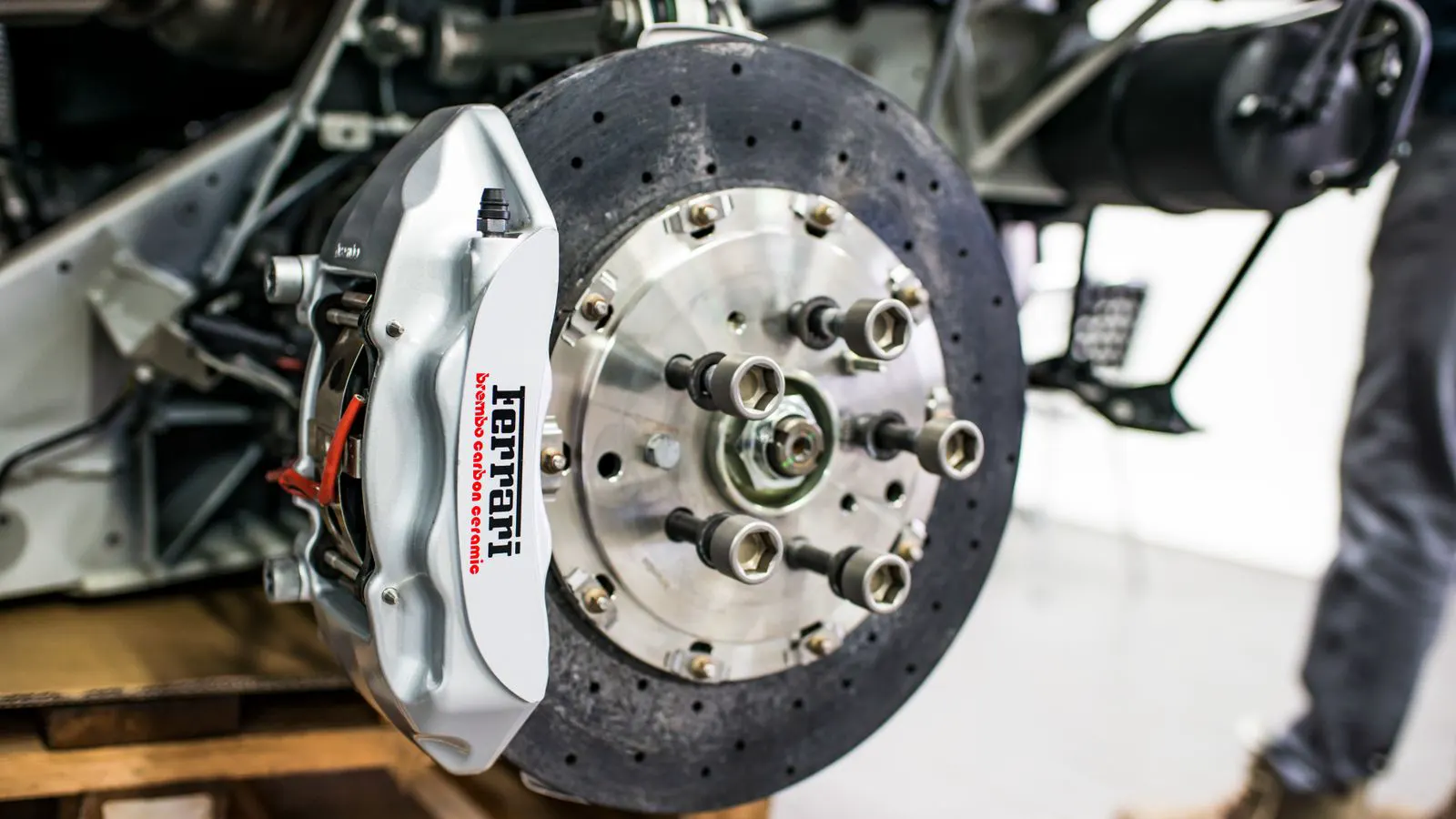
Next, check the rotor. Spin the wheel by hand and feel for drag. Inspect the rotor surface for grooves, scoring, or hot spots. Use a dial indicator to measure runout if available. A rotor with excessive runout will cause uneven pad contact. Replace the rotor if the runout exceeds the manufacturer’s specification.
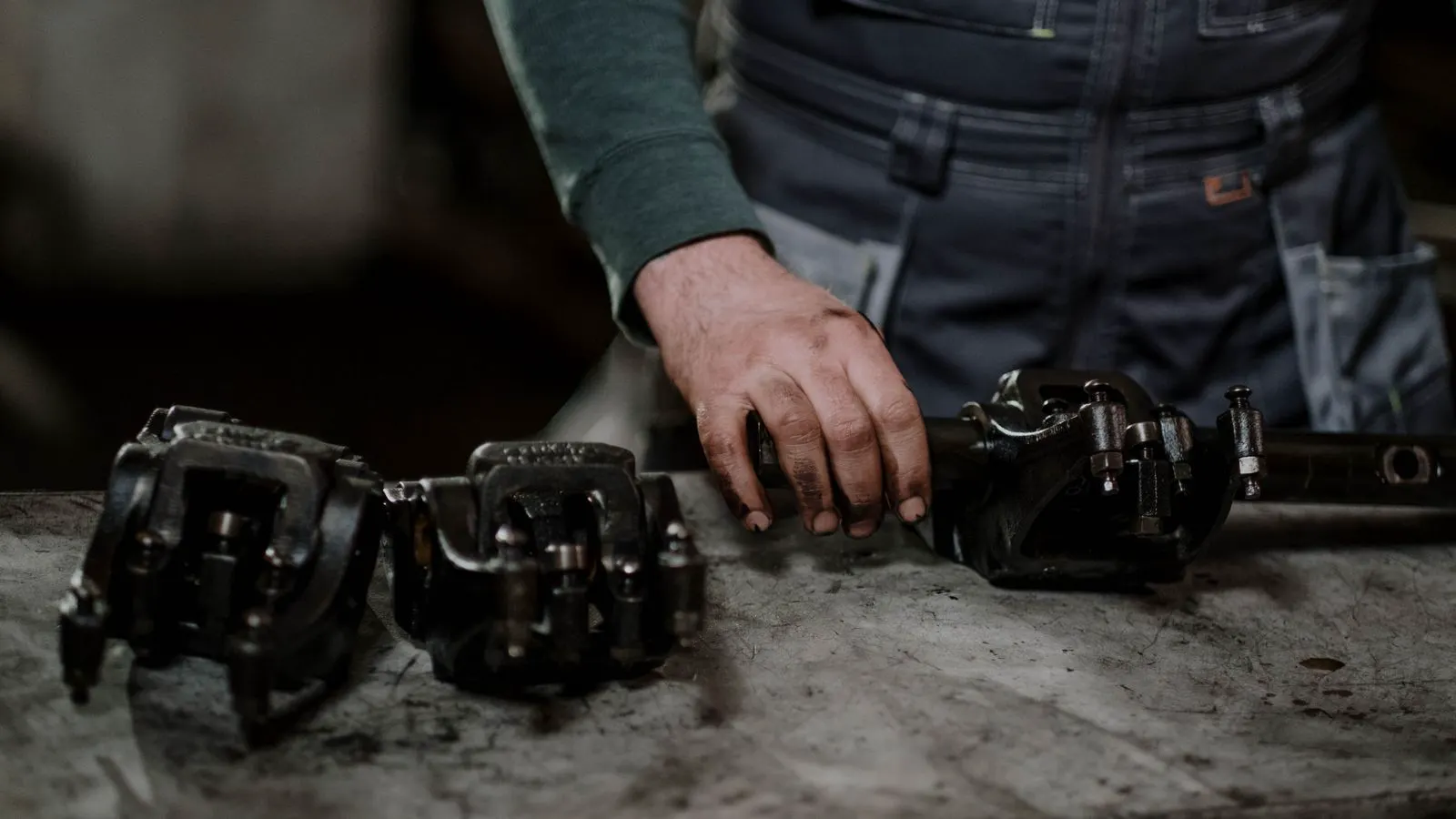
Test the caliper operation. Remove the caliper and check the slide pins. They should move freely without excessive force. Clean or replace them if they seize. Inspect the piston boot for cracks or tears. A damaged boot lets dirt into the bore and causes the piston to stick. Replace the caliper if the piston does not retract evenly.
Check the suspension. Inspect the ball joints, tie rod ends, and control arm bushings for play. Look for torn rubber or excessive movement. Worn suspension parts allow the wheel to shift during braking. Replace any component with measurable play. Verify wheel alignment after suspension repairs.
How to fix inconsistent brake pad wear
The fix depends on the root cause. If the caliper slide pins are seized, clean or replace them. Apply the specified lubricant to the pin surface. Verify that the pin moves freely before reassembly. If the caliper piston is sticking, replace the caliper or rebuild it with a new piston and boot.
If the rotor is warped or scored, resurface or replace it. Resurfacing is only an option if the rotor thickness remains above the minimum specification. A scored rotor may need replacement if the grooves are deep. Install a new rotor with a new set of pads to ensure even contact from the start.
If suspension components are worn, replace them. A new ball joint, tie rod end, or control arm bushing restores the proper wheel angle. The pad should then contact the rotor parallel to the friction surface. Recheck wheel alignment after suspension repairs.
After any repair, test drive the vehicle. Listen for grinding or dragging. Check the pads again after a few hundred miles of driving. If the wear pattern returns, the root cause was not fully addressed.
Prevention tips for even brake pad wear
Prevention starts with proper installation. Torque the caliper bracket bolts to specification. Do not over-torque the bolts, which can distort the bracket and misalign the caliper. Use the specified fasteners and hardware. Do not substitute unapproved parts.
Use the correct lubricant on caliper slide pins and pad contact points. Follow the manufacturer’s guidance on where to apply anti-seize or high-temperature grease. Do not get lubricant on the friction material. Contamination reduces braking performance and causes uneven wear.
Inspect the pads and rotors at regular intervals. Look for thin edges, grooves, or uneven thickness. Catch wear early before it becomes severe. Replace pads in pairs when possible. Mixing old and new pads can cause uneven wear patterns.
Keep the suspension in good condition. Check bushings, ball joints, and tie rod ends during routine maintenance. Replace worn parts before they cause wheel misalignment. A properly aligned wheel keeps the pad contacting the rotor evenly.
Document every brake repair. Note the parts replaced, torque values, and wear measurements. This record helps identify recurring issues. It also supports warranty claims if a component fails prematurely.
When to replace the entire brake assembly
Sometimes the wear pattern points to multiple failing components. A seized caliper, a warped rotor, and worn suspension parts can all coexist. In these cases, replacing only the pads will not solve the problem. The new pads will wear unevenly in the same way.
Buyers and engineers should evaluate the condition of the entire assembly. If the caliper is corroded, the rotor is scored, and the suspension is worn, replace the matching components. This avoids repeat repairs and reduces downtime.
Cost and lead time matter for procurement. Sourcing high-performance brake rotors may take longer than standard parts. Balancing the brake pad procurement budget requires planning for replacement parts. Check pre-shipment inspection requirements for brake assembly parts to ensure quality before delivery.
Compare OEM and aftermarket suspension component reliability before choosing parts. Aftermarket components may cost less but can have inconsistent quality. Verify the supplier’s testing and quality control processes. The Explainer: How Suspension Bushings Are Tested article covers the standard tests used to evaluate bushing durability.
Conclusion
Inconsistent brake pad wear is a signal, not a random failure. The wear pattern points to a specific mechanical issue. Inspect the pads, rotor, caliper, and suspension in sequence. Test each component for free movement, proper alignment, and correct surface condition.
Fix the root cause before replacing the pads. A new pad on a seized caliper will fail in the same way. A new pad on a warped rotor will develop a groove. A new pad on a misaligned wheel will wear unevenly. Address the underlying issue, then replace the pads.
Prevention reduces repeat repairs. Proper installation, regular inspection, and suspension maintenance keep the brake system operating within spec. Document every repair and keep records of parts and torque values. This approach protects vehicle safety and supports long-term procurement planning.
Frequently asked questions
Can uneven brake pad wear be fixed without replacing the caliper?
Yes, if the cause is a seized slide pin or a damaged piston boot. Cleaning the pins or replacing the boot can restore even pad contact. If the caliper body is corroded or the piston is stuck, replace the caliper.
What does a groove across the pad mean?
A groove usually means the rotor is warped or scored. The pad is contacting the rotor at an angle or on a raised surface. Replace or resurface the rotor and install a new pad.
How do I know if the suspension is causing uneven pad wear?
Check for play in the ball joints, tie rod ends, and control arm bushings. If the wheel shifts during braking, the pad contacts the rotor at an angle. Replace the worn suspension parts and recheck wheel alignment.
Should I replace both pads if only one is worn unevenly?
Yes. Replace pads in pairs when possible. Mixing old and new pads can cause uneven wear patterns on the next set. Replace the rotor as well if it is scored or warped.
How often should I inspect brake pads for uneven wear?
Inspect the pads during routine brake service or when you hear grinding or dragging. Check the friction material thickness at multiple points. Look for thin edges, grooves, or uneven thickness before disassembling the assembly.