Buyers Guide: Selecting Certified Engine Gaskets
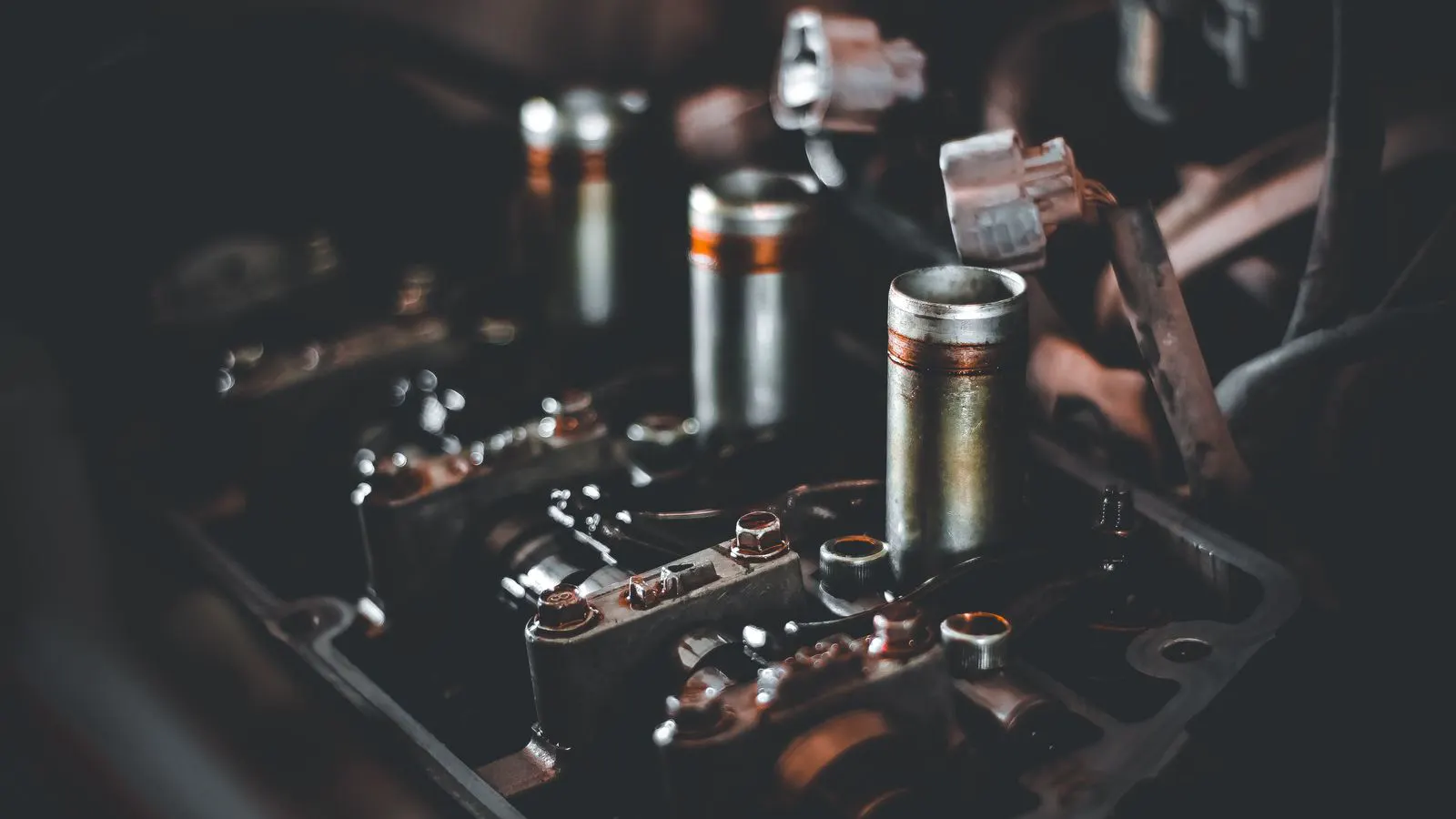
Certified engine gaskets require verified material properties, consistent thickness, and documented testing. This guide covers how to check supplier certifications, material data sheets, and sealing performance to select reliable engine sealing components for your build.
- Verify supplier certifications by checking scope, audit dates, and site-specific clauses.
- Match gasket material specs to operating temperature, pressure, and fluid exposure.
- Review thickness tolerance, surface finish, and sealant compatibility before placing an order.
- Request test reports and material certificates for every production lot, not just samples.
- Compare initial cost against failure risk, warranty terms, and long-term sealing reliability.
Why Material Verification Matters for Engine Gaskets
Engine failure often starts with a small seal. A cracked head gasket, a warped intake gasket, or a leaking valve cover gasket can cause oil contamination, coolant loss, or uncontrolled exhaust gases. These failures are costly to diagnose and can stop an engine line for days.
Certified engine gaskets are not just a marketing phrase. The term should refer to a product that meets documented material properties, passes defined sealing tests, and comes from a supplier with audited processes. When sourcing for production or rebuild programs, you need evidence that the part performs under real conditions.
This guide covers how to evaluate that evidence. It focuses on checking supplier claims, reviewing material data, and selecting gasket material specs that match your engine operating envelope.
How to Verify Supplier Certifications
Certifications tell you that a supplier follows a quality system. They do not guarantee that a specific gasket lot is perfect. You still need lot-specific documentation.
Start with the supplier’s quality management certificate. Look for the scope statement. A certificate for a single factory site is different from one covering multiple facilities. Check the expiration date. Check the audit frequency. If the certificate is current but the scope excludes gasket manufacturing, it does not cover your product.
For automotive supply chains, IATF 16949 certification is common. It focuses on automotive quality management. It covers processes, traceability, and customer-specific requirements. However, certification is a system, not a product test. A supplier can be certified and still ship a lot with inconsistent thickness.
Ask for the certificate number and verify it through the issuing body. Do not rely on a PDF on the supplier’s website alone. A copy can be outdated or mislabeled.
What Gasket Material Specs Should You Check
Gasket material specs define what the product is made of and how it behaves. The spec sheet is your primary tool for matching a gasket to the engine application.
Key material properties to review include:
- Base material composition. This includes the metal or composite makeup of the gasket.
- Thickness and thickness tolerance. Consistent thickness is critical for even clamping force.
- Tensile strength and elongation. These values indicate how the material handles stress.
- Temperature resistance. The material must remain stable at maximum operating temperatures.
- Chemical compatibility. The gasket will contact oil, coolant, fuel, or exhaust gases.
- Surface finish and texture. This affects sealant adhesion and initial sealing.
For metal gaskets, you will see data on alloy composition, hardness, and flatness. For composite gaskets, you will see data on fiber content, resin type, and density. For elastomer gaskets, you will see data on durometer, tear resistance, and compression set.
Each property has a tolerance range. A spec that says thickness is 1.5 mm with a plus-minus 0.1 mm tolerance is very different from a spec that allows plus-minus 0.3 mm. The wider the tolerance, the higher the risk of uneven sealing under clamping load.
How Sealing Performance Tests Work
A gasket must seal under load, temperature, and pressure. The test method should be defined before the product is approved.
Common tests include:
- Hydrostatic pressure tests. The gasket is compressed and filled with water or oil. The test checks for leaks under a set pressure.
- Thermal cycling tests. The gasket is exposed to repeated temperature changes. This checks for cracking, delamination, or loss of shape.
- Fluid immersion tests. The gasket is submerged in the actual operating fluid. This checks for swelling, shrinking, or chemical breakdown.
- Torque and clamping force tests. The gasket is installed with a set torque sequence. This checks how the material seats and spreads across the mating surfaces.
Ask the supplier which tests they run and to what standard. The standard defines pressure, temperature, duration, and pass criteria. If a supplier only performs a visual inspection or a low-pressure leak check, that may not cover high-performance applications.
For engine head gaskets, the test conditions are more demanding. The gasket must handle combustion pressure, thermal shock, and fluid intrusion. A test that simulates the worst-case condition in your operating range is the standard you should expect.
How to Evaluate Thickness and Tolerances
Thickness is one of the easiest properties to measure and one of the most common failure points. A gasket that is too thick will not seat correctly. A gasket that is too thin may not compress enough to form a seal.
Check the nominal thickness and the tolerance. For most engine sealing components, tolerance is measured in thousandths of an inch or hundredths of a millimeter. The tighter the tolerance, the more consistent the seal.
Also check the flatness of the gasket. A gasket with a warped edge will not make even contact with the mating surface. Even if the material is correct, a warped part will fail.
Ask how the supplier measures thickness and flatness. They should use calibrated instruments. They should test multiple locations on each part, not just the center. A single point measurement does not capture the full surface.
For production lots, request a sampling plan. This shows how many parts are inspected and how they are selected. A sampling plan based on industry standards is a good sign. It shows that the supplier follows a defined quality process.
How to Match Gaskets to Engine Operating Conditions
The engine operating environment determines which gasket material specs are acceptable. A gasket for a low-speed industrial engine is not the same as a gasket for a high-performance racing engine.
Review your engine’s maximum temperatures, pressures, and fluid exposures. Then compare those values to the gasket’s rated limits. Do not select a gasket based on a single rating. Look at the combination of factors.
For example, a gasket may be rated for a specific temperature in air but lose performance when exposed to oil. The chemical exposure matters as much as the thermal exposure. A gasket may handle 200 degrees Celsius in a dry test but degrade quickly in hot oil.
Also consider the mating surface condition. Engine blocks and heads may have different surface finishes. A gasket that requires a smooth surface will not seal well on a rough cast surface. If your mating surfaces are inconsistent, you may need a gasket with a more forgiving texture or a sealant that fills minor gaps.
How to Review Documentation and Traceability
Paperwork is not optional. It is how you prove what you bought and what the supplier tested.
For each lot, you should receive:
- Material certificate or mill test report. This confirms the raw material composition.
- Inspection report. This confirms that the finished gaskets passed dimensional and functional checks.
- CoC or lot traceability record. This links the lot number to the production run.
If a supplier cannot provide lot-specific documentation, the risk is higher. You may be relying on a general certificate that does not cover the specific material batch used in your order.
For high-value builds or warranty programs, ask for a certificate of conformance. This document states that the product was made to a defined drawing and passed defined tests. It should include the drawing number, revision, test results, and sign-off.
Keep these documents with your purchase records. They are your defense if a failure occurs and you need to trace the cause back to the material or the process.
How to Compare Suppliers and Make a Decision
When comparing suppliers, do not focus only on price. Price is one factor. Failure risk is another. A cheaper gasket that leaks after six months is more expensive than a premium gasket that seals for the life of the engine.
Use the table below to compare suppliers. Fill in the details for each candidate before making a shortlist.
| Criterion | What to look for | Why it matters |
|---|---|---|
| Certification scope | Certificate covers gasket manufacturing and the specific site | Confirms the quality system applies to your product |
| Material specs | Detailed composition, thickness, tolerance, and chemical compatibility data | Ensures the gasket matches your engine operating conditions |
| Test methods | Defined pressure, temperature, and fluid tests with pass criteria | Proves the gasket seals under real operating stress |
| Lot documentation | Material certificate, inspection report, and traceability record for each lot | Allows you to trace failures back to the production run |
| Tolerance control | Tight thickness and flatness tolerances with defined measurement method | Reduces the risk of uneven sealing under clamping load |
| Warranty and support | Clear terms for defects and a process for handling failures | Protects you if a lot does not perform as specified |
Do not accept a supplier who cannot answer these questions. If the documentation is vague or missing, the risk is too high.
Decision Checklist Before Placing an Order
Use this checklist to confirm your selection.
- The supplier’s quality certification is current and covers gasket manufacturing at the specific site.
- The gasket material specs match your engine’s maximum temperature, pressure, and fluid exposure.
- Thickness tolerance and flatness requirements are defined and met.
- The supplier provides lot-specific material certificates and inspection reports.
- Sealing performance tests are defined and passed under your operating conditions.
- The warranty terms cover defects and failures during the intended service life.
- You have a process for storing and tracking documentation for each lot.
If any item is missing, pause the decision. Ask the supplier for the missing information. Do not proceed until the risk is understood and documented.
Frequently asked questions
What does certified engine gaskets mean in a supplier catalog?
It should mean the gasket is made from verified materials, passes defined sealing tests, and comes from a supplier with an audited quality system. Check the certificate scope and ask for lot-specific test reports.
How do I know if a gasket spec matches my engine?
Compare the gasket's rated temperature, pressure, and chemical compatibility limits to your engine's operating envelope. If the gasket is only rated for dry conditions, it may fail when exposed to oil or coolant.
Should I require IATF 16949 certification for all gasket suppliers?
It depends on your application. For production engines or warranty programs, it is a strong baseline. For small rebuilds, you may rely on material certificates and test reports instead. The key is documented evidence.
What is the most common failure cause for engine gaskets?
Thickness variation and mating surface mismatch. A gasket that is too thin or too thick will not seal evenly. Check the tolerance and the flatness before installation.
How much documentation should I request for each lot?
At minimum, request a material certificate, an inspection report, and a lot traceability record. For high-value builds, also request a certificate of conformance that ties the lot to a specific drawing revision.